When it comes to HVAC systems, one key component that often goes unnoticed is ducting. Ducting plays a crucial role in distributing conditioned air throughout a building, ensuring that occupants stay comfortable and healthy. One innovative approach to installing ducting is through suspended ducting, a method that offers numerous advantages over traditional ducting systems. In this article, we will explore the benefits of suspended ducting and why it is a smart choice for your HVAC system.
suspended ducting involves hanging the ductwork from the ceiling or other structure, rather than installing it directly on walls or floors. This approach offers several key advantages that can make a significant difference in the performance and efficiency of your HVAC system.
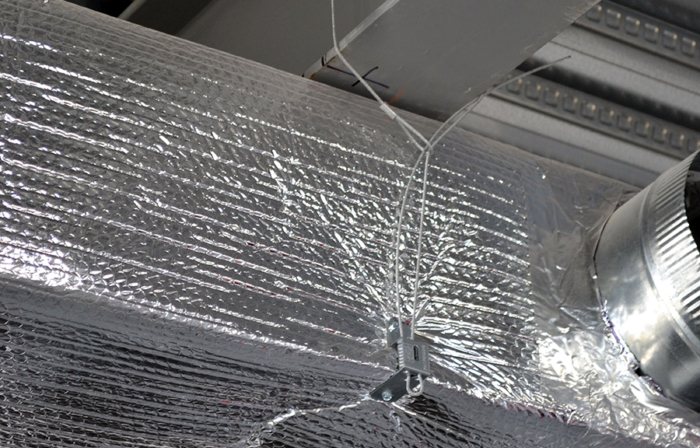
One of the primary benefits of suspended ducting is its flexibility. By hanging the ductwork, it can be easily adjusted and repositioned as needed. This flexibility allows for easier modifications and expansions to the system, making it ideal for buildings with changing layouts or requirements. In addition, suspended ducting can also be easily accessed for maintenance and repairs, reducing downtime and ensuring that your HVAC system remains in top condition.
Another advantage of suspended ducting is its ability to improve air circulation and distribution. By hanging the ductwork from the ceiling, air can be distributed more evenly throughout the building, reducing hot and cold spots and improving overall comfort. This can result in more consistent temperatures and better air quality, creating a healthier and more comfortable indoor environment for occupants.
Furthermore, suspended ducting can also help to reduce noise levels within a building. By isolating the ductwork from the walls and floors, noise transmission is minimized, resulting in a quieter and more peaceful indoor environment. This can be especially beneficial in commercial settings where noise can be a significant issue, such as offices, retail spaces, or healthcare facilities.
In addition to these benefits, suspended ducting can also help to improve the efficiency of your HVAC system. By allowing air to flow freely without obstruction, suspended ductwork can reduce pressure drop and improve airflow, resulting in lower energy consumption and operating costs. This can lead to significant savings over time, making suspended ducting a cost-effective choice for your HVAC system.
When it comes to installation, suspended ducting is also a quicker and more straightforward process compared to traditional ducting systems. Since the ductwork is hung from the ceiling, there is no need for extensive drilling or cutting into walls and floors, reducing disruption to your building and allowing for faster installation. This can be particularly advantageous in retrofit projects or buildings with limited space, where traditional ducting installation may be challenging or impractical.
Overall, suspended ducting offers a range of advantages that can make a real difference in the performance and efficiency of your HVAC system. From its flexibility and improved air distribution to its noise reduction and cost savings, suspended ducting is a smart choice for any building looking to maximize the benefits of its HVAC system. Whether you are considering a new installation or upgrading an existing system, suspended ducting is definitely a solution worth exploring.
In conclusion, suspended ducting is a versatile and efficient method of installing ductwork that can offer numerous benefits for your HVAC system. From improved air distribution and energy efficiency to reduced noise levels and easier maintenance, suspended ducting is a smart choice for any building looking to optimize its HVAC performance. If you are considering a new installation or upgrade for your HVAC system, be sure to explore the advantages of suspended ducting and see how it can make a difference in your building.